
Introduction: Planning a Complete Home Upgrade from the Ground Up
Upgrading a home is more than a series of isolated projects—it’s a strategic process that involves improving comfort, functionality, efficiency, and long-term value. Whether you’re addressing aging systems, enhancing curb appeal, or expanding living space, every decision you make has a ripple effect on the rest of your property. A well-planned upgrade ensures that each improvement works together rather than creating conflicts or inefficiencies.
Many homeowners approach upgrades reactively, focusing only on what is broken or outdated. While this can solve immediate issues, it often leads to missed opportunities for better performance and cost savings. A proactive, comprehensive approach allows you to prioritize improvements, align projects, and maximize your investment over time.
This guide explores the essential areas of home improvement—from indoor systems like cooling and electrical to outdoor features such as patios, pools, and structural groundwork. By understanding how these elements connect, homeowners can make informed decisions that improve daily living while protecting long-term property value.
In addition to improving functionality, thoughtful upgrades can also enhance how a home feels on a daily basis. Better airflow, improved lighting, upgraded outdoor spaces, and efficient systems all contribute to a more enjoyable living environment. These changes may seem small individually, but together they create a noticeable difference in comfort and convenience. Taking a step back to evaluate how each system contributes to your overall lifestyle can help guide smarter decisions throughout the upgrade process.
It’s also important to recognize that no two homes are exactly alike. Factors such as climate, property size, construction type, and usage patterns all influence which upgrades will provide the most benefit. By tailoring improvements to your specific needs and conditions, you can avoid unnecessary expenses and focus on changes that deliver the greatest impact.
Start with a Full Property Assessment and Upgrade Plan
Before beginning any major upgrades, it’s critical to evaluate the current condition of your entire property. A thorough assessment provides a clear understanding of what needs immediate attention, what can be improved over time, and how different systems interact.
Start by reviewing key areas:
- Structural integrity, including foundation and exterior surfaces
- Mechanical systems such as heating, cooling, and electrical
- Outdoor spaces, including drainage, landscaping, and hardscaping
- Signs of wear, aging, or inefficiency
Look for early warning signs like uneven temperatures, rising energy bills, cracking surfaces, or water pooling around the property. These indicators can help prioritize which projects should be addressed first.
Creating a phased upgrade plan is one of the most effective ways to manage large-scale improvements. This approach allows you to:
- Tackle urgent repairs before cosmetic upgrades
- Align projects that depend on each other
- Spread costs over time
- Minimize disruption to daily life
Professional inspections can provide deeper insights into hidden issues, especially for structural elements and internal systems. By starting with a comprehensive plan, you reduce the likelihood of unexpected problems and ensure that each upgrade contributes to a cohesive and efficient result.
Improve Cooling Performance and Energy Efficiency
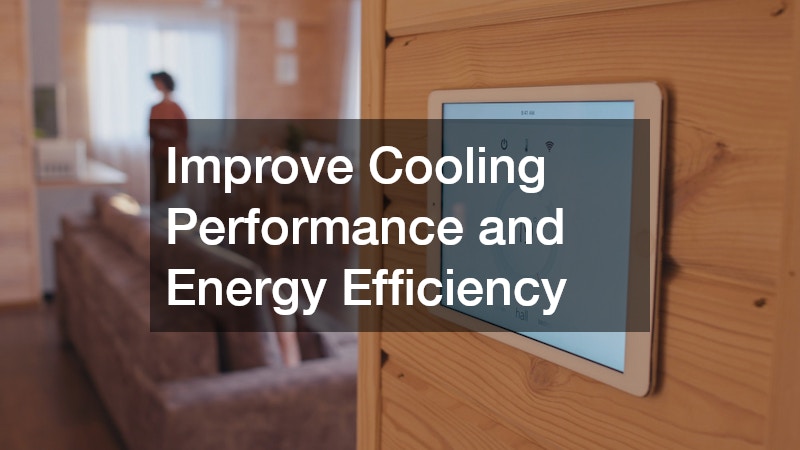
Cooling systems play a vital role in maintaining indoor comfort, especially during warmer months. When these systems begin to decline, they often show subtle signs before major failures occur. Recognizing these early indicators allows homeowners to address issues before they escalate.
Common signs that ac repairs may be needed include:
- Inconsistent temperatures between rooms
- Weak airflow from vents
- Unusual noises during operation
- Increased energy consumption without explanation
Working with a professional HVAC company ensures that both diagnosis and solutions are handled correctly. Whether it’s a simple repair or a more complex system upgrade, expert evaluation helps determine the most cost-effective path forward.
To improve cooling efficiency and performance, consider:
- Sealing and insulating ductwork to reduce energy loss
- Installing programmable or smart thermostats
- Upgrading to energy-efficient systems with variable-speed technology
- Scheduling seasonal maintenance before peak usage
Routine servicing, including filter changes and system inspections, can significantly extend the lifespan of your cooling equipment. Investing in proper care not only improves comfort but also reduces long-term operating costs and prevents unexpected breakdowns.
Prepare Your Property for Major Outdoor Projects
Outdoor upgrades often require more preparation than homeowners anticipate. Before installing features like patios, pools, or additions, the ground itself must be properly prepared to ensure stability and longevity.
An excavating contractor plays a crucial role in this process by handling tasks such as grading, soil removal, and site preparation. Proper excavation ensures that structures are built on stable ground and that water drains away from the property rather than pooling near foundations.
Key considerations when preparing for excavation include:
- Evaluating soil type and stability
- Ensuring proper grading for water runoff
- Identifying underground utilities before digging
- Obtaining necessary permits and approvals
Failing to prepare the site correctly can lead to long-term issues such as shifting structures, drainage problems, and premature wear. By investing in proper groundwork, homeowners create a solid foundation for all future outdoor improvements.
Transform Curb Appeal with Professional Exterior Finishes
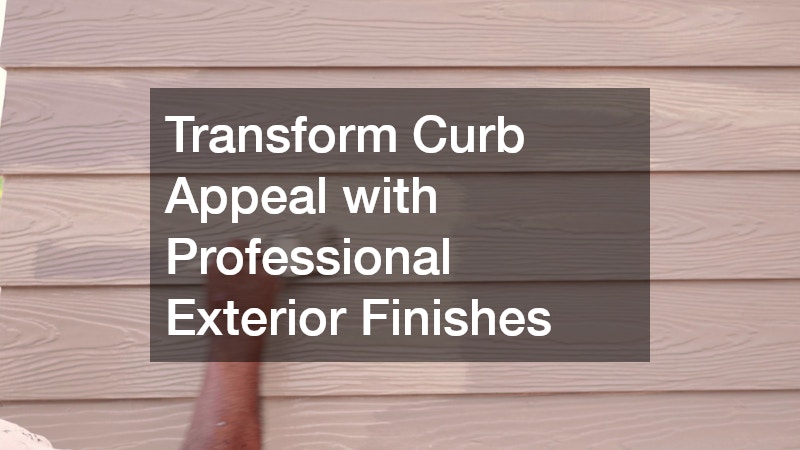
The exterior of your home is one of the first things people notice, and it plays a major role in both curb appeal and protection. Over time, exposure to weather can cause paint to fade, crack, or peel, leaving surfaces vulnerable to damage.
Professional paint services go beyond aesthetics by providing a protective barrier against moisture, sunlight, and temperature fluctuations. Working with an exterior painting company ensures that surfaces are properly prepared and coated for long-lasting results.
Important steps in exterior painting include:
- Cleaning and repairing surfaces before painting
- Choosing high-quality, weather-resistant paints
- Applying appropriate primers and sealants
- Selecting colors that complement architectural features
Regular maintenance and repainting not only improve appearance but also prevent structural damage caused by moisture intrusion. A well-maintained exterior contributes to both the durability and value of the home.
Upgrade Electrical Systems for Safety and Modern Needs
Electrical systems are often overlooked until problems arise, but they are essential for both safety and functionality. As homes evolve to include more devices and advanced technologies, older electrical systems may struggle to keep up.
An electrician can assess your current system and recommend upgrades that improve safety, efficiency, and capacity. This is particularly important in older homes where wiring may not meet modern standards.
Signs that electrical upgrades may be needed include:
- Frequent circuit breaker trips
- Flickering or dimming lights
- Outdated outlets or insufficient capacity
- Burning smells or unusual noises
Upgrading electrical systems can include:
- Replacing outdated wiring
- Installing additional outlets
- Upgrading electrical panels
- Adding surge protection
Planning electrical upgrades alongside other projects ensures that all systems work together efficiently and safely.
Design and Build a Functional Outdoor Living Space
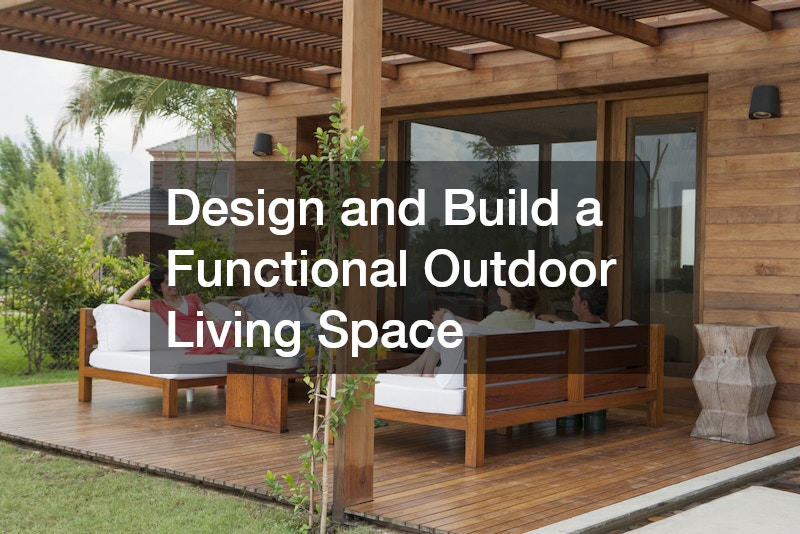
Outdoor living spaces have become an essential extension of the home, providing areas for relaxation, entertainment, and daily use. Proper design and construction are key to creating spaces that are both functional and visually appealing.
A patio contractor and hardscaping contractor can help design layouts that maximize usability while ensuring durability. From patios and walkways to retaining walls and seating areas, hardscaping elements define the structure of outdoor spaces.
Key design considerations include:
- Choosing materials that withstand local climate conditions
- Creating layouts that support traffic flow and usability
- Incorporating drainage solutions to prevent water damage
- Adding lighting and features for comfort and ambiance
Well-designed outdoor spaces not only enhance lifestyle but also increase property value. Regular maintenance, such as sealing surfaces and cleaning debris, helps preserve their appearance and functionality over time.
Add Value and Lifestyle Benefits with a Backyard Pool
A backyard pool can transform a property into a personal retreat, offering both recreational and aesthetic benefits. However, installing a pool requires careful planning to ensure it fits both the property and the homeowner’s lifestyle.
Pool contractors guide homeowners through the process, from design and placement to installation and finishing touches. Proper planning ensures that the pool integrates seamlessly with existing outdoor features.
Important considerations include:
- Selecting the right size and shape for your yard
- Positioning the pool for optimal sunlight and privacy
- Incorporating safety features such as fencing and covers
- Planning for ongoing maintenance and upkeep
While pools can be a significant investment, they often provide long-term enjoyment and can enhance the overall appeal of a property when designed thoughtfully.
Expand Living Space with a Seamless Indoor-Outdoor Addition
Expanding living space is one of the most effective ways to improve both comfort and property value. A sunroom addition offers a unique opportunity to bring natural light into the home while creating a versatile space for relaxation, dining, or entertainment.
When planning a sunroom, homeowners should consider:
- Whether the space will be seasonal or year-round
- Energy efficiency and insulation requirements
- Integration with existing architecture and design
- Placement to maximize natural light
A well-designed addition should feel like a natural extension of the home rather than a separate structure. Attention to detail in materials, layout, and finishes ensures a cohesive result that enhances both function and aesthetics.
Coordinate Indoor and Outdoor Projects for Efficiency
Managing multiple projects simultaneously requires careful coordination. Without a clear plan, projects can overlap in ways that create delays, added costs, or unnecessary complications.
Effective coordination involves:
- Scheduling projects in a logical sequence
- Ensuring communication between contractors
- Planning material deliveries in advance
- Monitoring progress regularly
For example, groundwork and excavation should be completed before installing outdoor features, while electrical upgrades may need to be finished before interior renovations. Understanding these dependencies helps prevent rework and ensures smoother execution.
Proper coordination reduces disruption to daily life and allows homeowners to complete projects more efficiently while maintaining quality.
Budgeting and Financial Planning for Large-Scale Upgrades
Financial planning is a critical component of any home improvement project. Without a clear budget, costs can quickly exceed expectations, leading to incomplete projects or financial strain.
To manage expenses effectively:
- Obtain multiple quotes from reputable contractors
- Set realistic budgets based on project scope
- Allocate funds for unexpected costs
- Prioritize essential upgrades before cosmetic improvements
Breaking projects into phases allows homeowners to spread costs over time while still making meaningful progress. Additionally, investing in high-quality materials and professional installation often reduces long-term maintenance costs.
A well-structured financial plan ensures that upgrades are completed without compromising quality or stability.
Increase Property Value Through Strategic Improvements
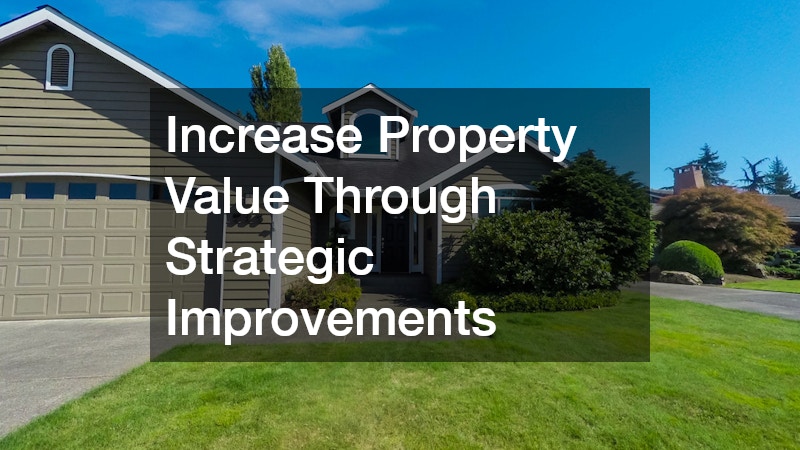
Strategic upgrades can significantly enhance property value by improving both functionality and appeal. Buyers are increasingly looking for homes that offer efficiency, modern features, and well-designed spaces.
High-impact improvements include:
- Upgrading major systems for energy efficiency
- Enhancing outdoor living areas
- Improving curb appeal through exterior updates
- Expanding usable living space
Focusing on improvements that offer both immediate benefits and long-term value ensures a strong return on investment. Aligning upgrades with current market trends also increases the likelihood of attracting potential buyers.
Maintain Long-Term Performance and Appearance
Ongoing maintenance is essential for preserving the results of any home upgrade. Without regular care, even the best improvements can deteriorate over time.
A comprehensive maintenance plan should include:
- Routine inspections of major systems
- Cleaning and servicing equipment regularly
- Monitoring for early signs of wear or damage
- Scheduling professional maintenance as needed
Consistency is key to maintaining performance and appearance. By addressing small issues early, homeowners can avoid costly repairs and extend the lifespan of their investments.
Conclusion: Building a More Comfortable, Functional, and Valuable Home
A successful home upgrade is the result of thoughtful planning, strategic investment, and consistent maintenance. By approaching improvements with a comprehensive mindset, homeowners can ensure that each project contributes to a cohesive and high-performing living environment.
From enhancing indoor comfort to creating inviting outdoor spaces, every upgrade plays a role in shaping how a home functions and feels. When these elements are carefully coordinated, the result is a property that not only meets current needs but also adapts to future demands.
Ultimately, the goal of any home improvement effort is to create a space that supports daily life while maintaining long-term value. With the right approach, homeowners can achieve a balance of comfort, efficiency, and durability that stands the test of time.
As you move forward with your own projects, consistency and planning will remain your most valuable tools. Staying organized, working with qualified professionals, and maintaining clear goals will help ensure that each improvement adds lasting value. Even small upgrades, when done thoughtfully, can contribute to a more functional and enjoyable home environment.
Over time, these efforts build upon one another, creating a home that not only looks better but performs better in every aspect. By staying proactive and informed, homeowners can confidently navigate future improvements and continue enhancing their property for years to come.

