
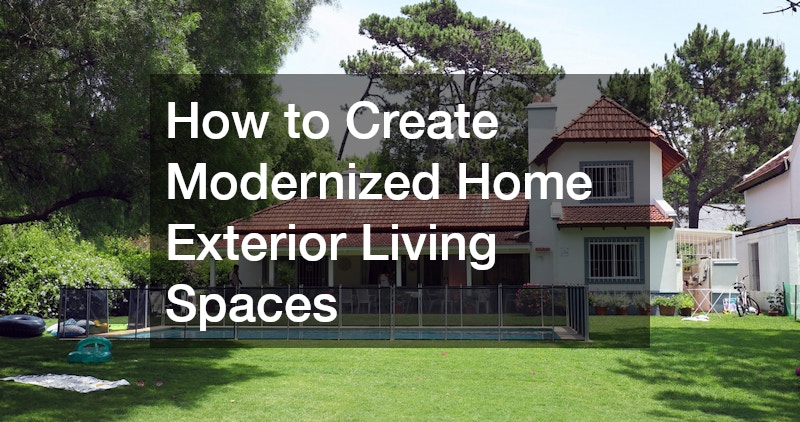
The boundaries defining where a house ends and nature begins have completely dissolved. In past times, homeowners typically considered the backyard to be merely a basic piece of grass that needed occasional mowing or simply a passive scene to appreciate from the confines of their windows. However, the contemporary mindset has shifted, and now the external areas of a home are viewed as a direct, fluid extension of the indoor living space. This transformation in perspective means that upgrading these outdoor spaces is no longer solely about enhancing aesthetic appeal; it involves making a strategic investment in both the homeowner’s daily well-being and the substantial increase in long-term property value.
When you intentionally modernize your exterior living areas, you create a seamless transition between indoor and outdoor spaces. This harmonization effectively doubles your usable square footage during seasons of pleasant weather, providing you with more room to relax, entertain, and enjoy nature. Realizing this expansion of living space goes beyond outdated design paradigms, such as the solitary concrete slab patio or the solitary stand-alone charcoal grill. Instead, it calls for embracing sophisticated, integrated architectural layouts that flow naturally with your home’s design. The use of sustainable materials highlights an eco-friendly approach, while smart automation adds convenience by allowing you to control your environment at the touch of a button. By approaching your landscape design with the same meticulous design rigor you would apply to a kitchen or living room remodel, you can transform underutilized land into a highly functional, aesthetically pleasing, multi-seasonal sanctuary. This sanctuary not only serves as an extension of your home but also as a personal retreat where you can unwind and enjoy the changing seasons in comfort.
How to Map Out Rooms in an Open Outdoor Blueprint
The foundation of any successful modern exterior design rests on the concept of zoning. Just as an open-concept interior relies on furniture placement and lighting to distinguish the kitchen from the living room, a vast outdoor expanse must be intentionally segmented into functional micro-environments. Without this structural discipline, a large yard can feel empty and exposed, while a smaller yard quickly becomes cluttered and chaotic.
To create an intuitive flow, start by identifying the primary activities you want to host. A standard modern layout typically includes a high-traffic cooking zone, a comfortable lounging area centered around a focal point, and an active recreation or quiet contemplation zone. The transitions between these areas should feel organic rather than abrupt. You can achieve this subtle separation by altering the textures underfoot, shifting elevations slightly, or utilizing low-profile structural elements.
- Analyze Traffic Patterns: Before laying down any permanent structures, trace how people naturally move from the back doors to different areas of the yard. Keep primary pathways wide, clear, and direct.
- Establish Spatial Boundaries: Use low retaining walls, built-in planters, or distinct changes in flooring material to signal to guests that they are moving from a dining zone into a relaxation lounge.
- Prioritize Sightlines: Ensure that major architectural features inside the home align beautifully with outdoor focal points, creating an immediate visual connection the moment someone looks out a window.
When you begin translating these abstract zones into concrete structural layouts, collaborating with experienced landscape designers is an invaluable step. These professionals understand how to analyze the unique microclimate of your property, taking into account how the sun moves across your yard throughout the day, where wind tunnels form, and how to maximize your privacy from neighboring properties. They can help you choose and position premium materials from local hardscaping supplies distributors, ensuring that your choice of oversized concrete pavers, natural stone, or porcelain tiles perfectly complements the interior flooring of your home for a unified aesthetic.
Choosing the Right Elevated and Ground-Level Footprints
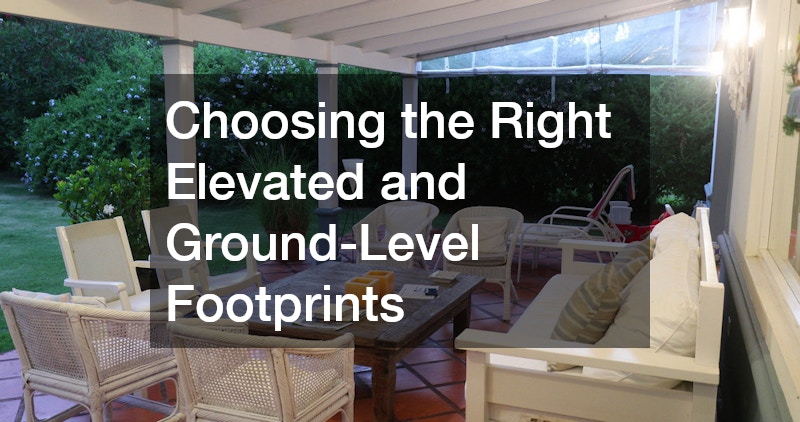
Once your overall blueprint is established, the next phase is constructing the physical platforms that will support your daily activities. Modern architecture emphasizes clean, horizontal lines that sit beautifully within the landscape. The goal is to build structures that feel grounded and integrated, avoiding the awkward, tacked-on appearance common in older construction.
For elevated spaces, the trend has shifted dramatically away from traditional pressure-treated wood decks with thick, view-blocking wood railings. Today’s high-end spaces utilize ultra-durable composite or PVC decking systems with hidden fastening clips, which eliminate visible screw heads and prevent splintering. These are paired with minimalist railing systems made of marine-grade cable, powder-coated aluminum, or structural glass panels that keep your view of the surrounding scenery completely unobstructed.
- Flush Threshold Designing: Work to keep the indoor flooring and the outdoor decking at the exact same level. This eliminates a tripping hazard and tricks the brain into viewing the two spaces as a single room.
- Incorporate Built-In Elements: Maximize the utility of your platforms by integrating wide perimeter steps that double as casual seating, or building custom bench seating that conceals weather-resistant storage.
- Focus on Linear Geometry: Arrange your decking boards or patio stones in long, clean lines that run parallel to the house to create an illusion of greater width and depth.
Executing these structural elements flawlessly requires precise engineering. Engaging professional deck building contractors guarantees that your elevated platforms are built safely, with proper ledger flashing, joist spans, and robust footings that prevent shifting over time. For the ground-level transitions, integrating custom concrete masonry services allows you to build sleek, poured-concrete patios, architectural retaining walls, or custom fire features. The smooth texture of modern finished concrete offers a beautiful, stark contrast to the organic shapes of the surrounding foliage, grounding your outdoor living room with an unmistakable sense of permanence.
Using Layered Greenery and Sleek Perimeters for Seclusion
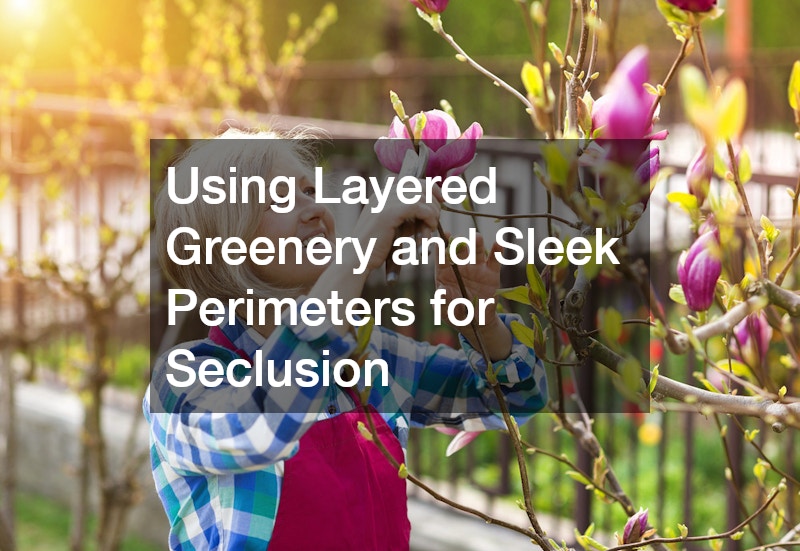
A modern outdoor living space should feel like a private oasis, a place where you can escape the noise and observation of the outside world. However, the traditional approach to privacy—building a massive, imposing solid wall—can often make a yard feel claustrophobic, like an institutional courtyard. Modern design achieves intimacy through a combination of sleek, architectural perimeters and strategic, layered softscaping.
Instead of relying solely on hard barriers, think of your plants as living architecture. Layering vegetation by height creates a soft, natural shield that filters sunlight and absorbs ambient neighborhood noise. High-canopy trees offer overhead shade, mid-level structural shrubs block direct lines of sight, and low-growing ornamental grasses add texture and gentle movement as they sway in the breeze. Vertical gardens and living walls are also excellent tools for introducing rich green textures into tight spaces where traditional planting beds won’t fit.
- Embrace Horizontal Lines: When building structural perimeters, arrange your materials horizontally rather than vertically. Horizontal lines naturally draw the eye outward, making your property lines feel wider and more expansive.
- Choose Structural Plant Varieties: Focus on plants with strong, clean shapes. Boxwoods maintained in crisp geometric forms, upright columnar trees, and massed ornamental grasses fit the modern aesthetic much better than chaotic, mixed perennial borders.
- Incorporate Living Screens: Use fast-growing, non-invasive bamboo varieties or dense evergreen hedges planted tightly together to create a lush green wall that remains vibrant and protective all year long.
To execute this balance of structure and nature, a trip to a well-stocked garden center will help you choose the exact plant cultivars that offer the clean, architectural silhouettes required for a contemporary look. Pair this refined botanical palette with a modern fence installation to cleanly define your property boundaries. Opt for horizontal cedar or composite slats separated by small gaps, or sleek matte-black aluminum panels. This approach provides excellent privacy and security while allowing light and air to pass through, keeping your yard feeling bright, airy, and deeply integrated with nature.
Hidden Systems That Keep Your Space Vibrant Past Dark
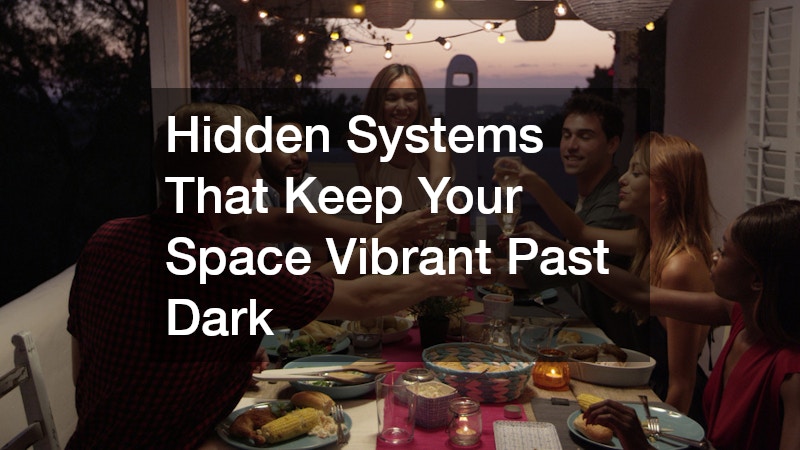
To truly maximize the utility of your modernized exterior, the space must remain functional, safe, and beautiful long after the sun goes down. Achieving this requires a sophisticated approach to infrastructure, focusing heavily on atmospheric lighting and seamless water management. These systems should work quietly in the background, enhancing your enjoyment of the space without drawing attention to the equipment itself.
Modern outdoor lighting has evolved far beyond the harsh, glaring floodlights of the past, which washed out details and created deep, unsettling shadows. Contemporary illumination relies on layering low-voltage, energy-efficient fixtures to create warmth and depth. The goal is to highlight the architectural features of your home and landscape while keeping the source of the light completely hidden from view. Simultaneously, proper water management ensures that your lawn and garden beds remain healthy and vibrant through changing seasons without requiring hours of manual labor.
- Utilize Subtle Up-Lighting: Position small, hidden fixtures at the base of architectural trees or unique structural walls to cast a soft glow upward, dramatizing textures and creating beautiful focal points at night.
- Prioritize Safety with Path Lighting: Install low-profile fixtures that cast light downward onto walkways, stairs, and changes in elevation to ensure guests can navigate the yard safely without being blinded by glare.
- Automate with Smart Controls: Group your exterior infrastructure into zones that can be programmed and controlled via a smartphone app, allowing you to dim lights or adjust water schedules instantly.
Implementing these technical systems flawlessly requires specialized expertise. A professional landscape lighting designer can plan out a system that uses warm-toned LEDs to accent walkways, stairs, and tree canopies, creating an inviting resort-like ambiance. To preserve this pristine environment, integrating a professional lawn irrigation service is essential. They can install hidden subterranean drip systems that deliver water directly to the roots of your plants, eliminating wasteful overspray and ensuring your expensive landscaping stays perfectly hydrated based on real-time local weather data.
Curating Weatherproof Comfort and Managing the Overhead Canopy
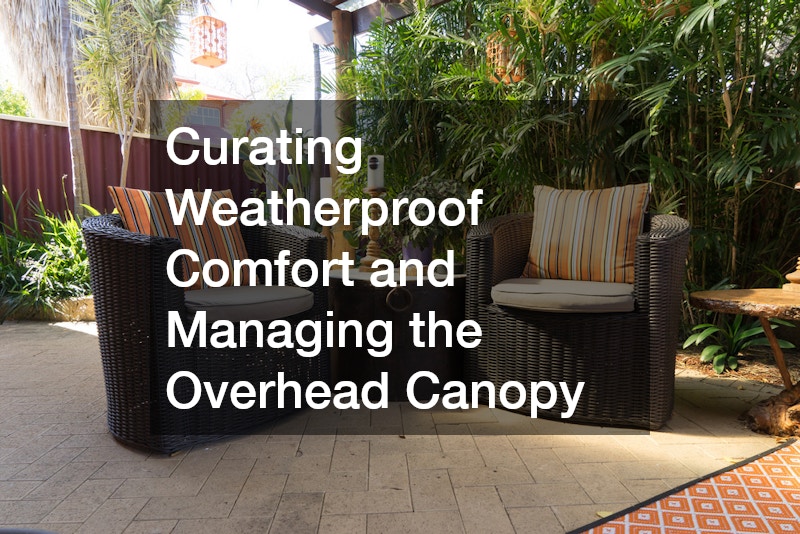
The final step in creating a truly modernized home exterior is dressing the space with high-quality furnishings and managing the environment overhead. This is where your backyard truly transforms into a luxurious living room. The choices you make here determine how comfortable the space is and how many months out of the year you will actually use it.
When choosing items to fill your zones, apply the same design standards you would use for your interior rooms. Avoid thin, cheap plastics or overly ornate metal furniture sets that rust and date quickly. Instead, look for deep-seating modular sectionals, low-profile lounge chairs, and clean-lined dining tables made from premium, weather-resistant materials. To extend the usability of the space into early spring and late autumn, consider adding elements of warmth, such as sleek concrete fire tables or flush-mounted overhead infrared heaters.
- Invest in High-Performance Fabrics: Choose cushions and pillows wrapped in solution-dyed acrylic fabrics, which resist moisture, staining, and fading under intense ultraviolet light.
- Create Flexible Layouts: Choose lightweight modular furniture configurations that can be easily rearranged to accommodate a quiet family evening or a large neighborhood gathering.
- Balance Shade and Sunlight: Install adjustable structures like louvered pergolas or motorized shade sails that let you control exactly how much sun reaches your seating areas throughout the day.
Completing this vision involves balancing your furniture with the natural elements already existing on your property. Carefully chosen furniture should feature minimalist frames made of powder-coated aluminum, sustainably harvested teak, or rugged all-weather rope weaves that deliver residential comfort into an outdoor setting. Finally, don’t overlook the living canopy above your head. Working with professional tree services ensures that your large, mature shade trees are properly pruned, structurally sound, and cleared of hazardous dead wood. This routine maintenance protects your expensive new assets below and allows the perfect amount of dappled sunlight to filter through, completing your polished, modern outdoor sanctuary.
Transforming your home’s exterior into a modernized living space is a journey that requires a thoughtful blend of architectural structure, environmental respect, and lifestyle-driven design. By viewing your backyard as a collection of open-air rooms and carefully planning your layout, foundations, privacy elements, and hidden infrastructure, you create a seamless environment that enhances your day-to-day living experience.
While a comprehensive modernization project involves multiple phases and various professional specialties, the long-term rewards are undeniable. You are left with a customized, low-maintenance retreat tailored specifically to how you cook, relax, and entertain. Rather than looking out your windows at an empty yard, you will find yourself drawn across the threshold into a sophisticated, peaceful sanctuary that truly feels like the heart of your home. Pick one zone of your property this season, sketch out a clean design, and begin building the outdoor living space you have always envisioned.

