
Key Takeaways
- The full journey from initial idea to finished project averages around 42 weeks when you factor in planning, design, and ordering lead times
- Actual construction for a small space typically runs about three to four weeks, while larger or more complex projects can stretch into months
- Demolition is fast (one to three days), but rough plumbing, electrical, and inspections often create hidden time gaps
- Tile work, waterproofing, and curing periods are the most commonly underestimated phases in any project timeline
- Custom orders like vanities, stone slabs, and specialty tile can add four to twelve weeks of lead time before work even begins
- Permit approval, inspection scheduling, and change orders are the three biggest causes of unexpected delays
- Smart sequencing and front-loaded decision-making can shave weeks off the total completion window
Walking into a renovation without a realistic schedule is like booking a cross-country road trip without checking the map. You might get there eventually, but the detours will cost you. Homeowners routinely underestimate how long their project will stretch, and that gap between expectation and reality is where frustration lives.
The truth is, a bathroom project is one of the most intricate renovations per square foot in the entire home. You are coordinating plumbing, electrical, ventilation, waterproofing, tile, cabinetry, and finish carpentry, all packed into a space that might be smaller than a parking spot. Every one of those trades needs to show up in the right order, and each has its own curing times, inspection requirements, and material lead times.
Understanding the full arc of the process, from design brainstorming to the final caulk bead, helps you plan around the chaos. It also helps you spot a contractor who is being realistic versus one who is quoting a timeline just to win your business.
The Planning and Design Phase: Weeks You Did Not Expect
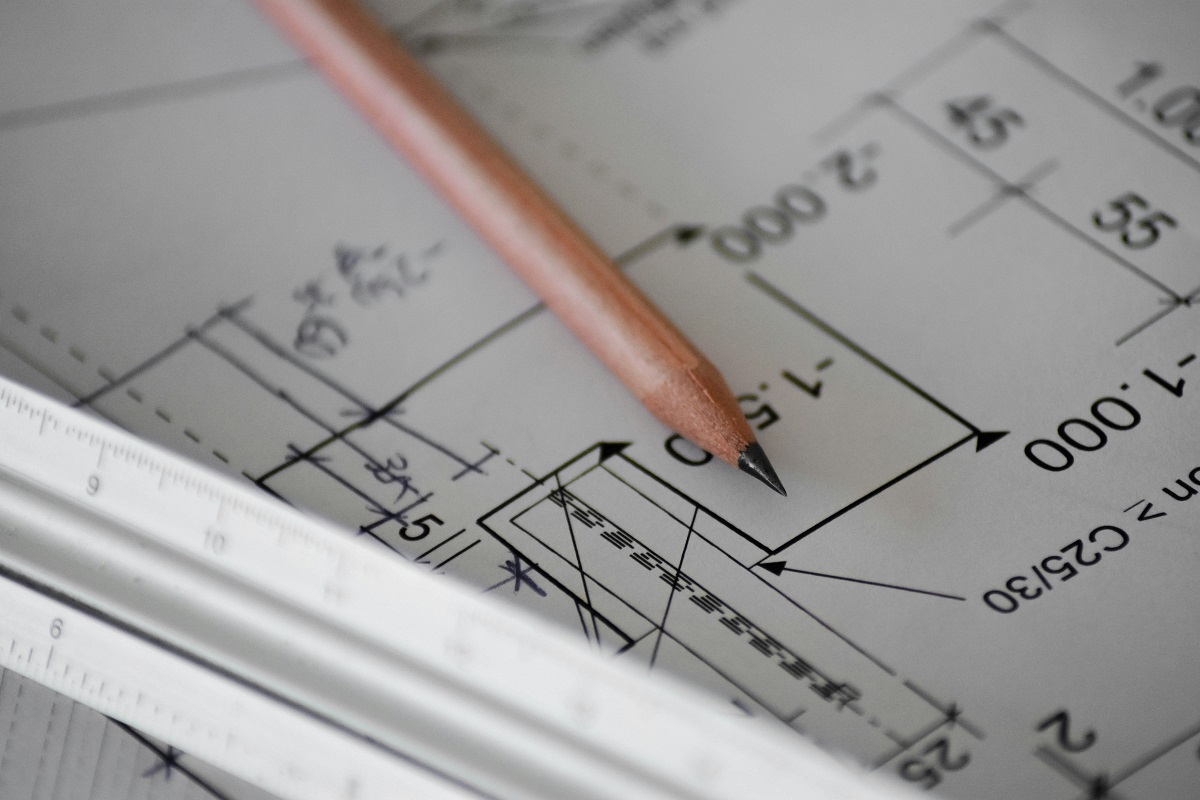
Most homeowners think the clock starts when demolition begins, but that is a mistake. According to the Home Improvement Research Institute, the total journey from first idea to finished bathroom averages roughly 42 weeks. The vast majority of that stretch happens before a single tile is pulled off the wall.
Planning covers everything from Pinterest boards and showroom visits to measuring, finalizing a layout, selecting finishes, and signing contracts. Expect this phase alone to eat up anywhere from four to twelve weeks, depending on how decisive you are and how custom your choices become. Semi-custom vanities might ship in three weeks, while a quartz slab you fell in love with could take two months to arrive.
Material Lead Times That Catch People Off Guard
Here are the items that most commonly stall projects before construction even starts:
- Custom vanities and medicine cabinets (6 to 12 weeks)
- Imported tile or natural stone slabs (4 to 10 weeks)
- Specialty shower glass enclosures (3 to 6 weeks after templating)
- High-end plumbing fixtures from European brands (4 to 16 weeks)
- Freestanding tubs in uncommon finishes (6 to 10 weeks)
Smart homeowners place material orders before demolition day so trades are not standing around waiting on a backordered faucet.
How Long Does the Actual Construction Last?
Once planning wraps and materials arrive, the hands-on work moves faster than most people imagine, but it still rarely finishes in a week. If you are wondering how long does a bathroom remodel take once crews actually swing hammers, the honest answer depends heavily on scope. According to ANGI, the average small bathroom overhaul wraps up in about 23 days of active work.
Larger primary bathrooms with structural changes, moved plumbing walls, or custom tile features routinely push into the six to ten week range. Add a layout change, like relocating the toilet or converting a tub into a walk-in shower, and you are extending the schedule because new drain lines require framing modifications and additional inspections.
The construction window is also where sequencing matters most. A good general contractor stacks trades back to back so there is minimal downtime. A disorganized one lets days slip between the electrician leaving and the drywaller showing up, and those gaps add up quickly.
A Phase-by-Phase Look at the Construction Timeline
Breaking the build into discrete stages makes it easier to see where days get spent and where delays sneak in. Most homeowners asking how long does a bathroom remodel take are surprised to learn that the labor itself is only part of the story — the sequencing, dependencies, and mandatory wait periods between phases often matter just as much as the hours a crew actually swings a hammer. Here is how a typical mid-range project unfolds once the crew arrives:
- Demolition and debris removal: 1 to 3 days, longer if asbestos tile, lead paint, or hidden water damage turns up behind the walls
- Rough plumbing and electrical: 3 to 5 days, plus inspection, with extra time if you are relocating a toilet flange or upgrading to a 20-amp GFCI circuit
- Framing and blocking adjustments: 1 to 3 days to add backing for grab bars, floating vanities, niches, and heavy mirrors
- Insulation and drywall installation: 3 to 5 days, including hanging cement board or a foam waterproofing panel system in the wet zones
- Waterproofing and tile setting: 5 to 10 days, with large-format tile, mosaics, and intricate patterns pushing toward the high end
- Grout, caulk, and curing: 2 to 4 days before anything can be sealed or walked on heavily
- Vanity, toilet, and fixture installation: 2 to 4 days, assuming the countertop template was taken earlier and the stone is already fabricated
- Paint, trim, and final punch list: 2 to 4 days to touch up walls, install baseboards, hang hardware, and address every item on the walkthrough list
Add inspection wait times between phases and you can see how a project with 25 working days of actual labor still spans five or six calendar weeks. Factor in a backordered vanity top, a tile shipment that arrives cracked, or a plumbing inspector who is booked out a week, and that same project can easily stretch to seven or eight weeks without anyone being lazy on the job.
The Hidden Cost of Inspections and Dry Times
Rough-in inspections for plumbing and electrical cannot be skipped, and in many jurisdictions you wait two to five business days for an inspector to arrive. If the inspector flags something minor — a missing nail plate, an improperly supported drain line, a junction box buried behind drywall — you reset the clock and schedule a reinspection, which can add another two to five days before the crew is allowed to close up the walls. Thinset mortar needs 24 hours to cure before grouting, and cooler or more humid conditions can extend that window. Grout wants another 24 to 72 hours before sealing, and most manufacturers recommend waiting a full week before exposing a shower floor to standing water. Paint needs recoat time between coats, plus additional cure time before you can hang towel bars or reinstall trim without marring the finish. Silicone caulk around tubs and showers typically needs 24 hours before the fixture can be used. None of these are negotiable, and together they can quietly add a full week — sometimes closer to ten days — to the calendar of any bathroom remodeling project.
What Actually Causes Delays in Bathroom Remodeling
Even well-planned projects run into friction. Investing in bathroom remodeling is partly about managing the unknowns that only reveal themselves once walls come open. Rotted subfloors, outdated galvanized pipes, mold behind tile, and improperly vented fans are common discoveries that can tack on days or weeks.
Change orders are the other major timeline killer. Deciding mid-project that you want to swap the tile pattern or add a niche to the shower wall sounds minor, but it ripples through ordering, labor, and sometimes inspections. Decisions made before demolition are cheap and fast. Decisions made after demolition are expensive and slow.
Permit approval varies wildly by municipality too. Some cities turn around residential bathroom permits in three days. Others take six weeks. If your project involves moving plumbing or electrical, permits are almost always required, and the clock on your contractor cannot really start until that paperwork is in hand.
How Timeline Connects to Budget and Return
Longer projects are generally more expensive projects, because labor hours stack up and temporary disruptions linger. HomeAdvisor reports that most bathroom overhauls land between roughly $6,600 and $17,600, with the final number driven by square footage, finish quality, and regional labor rates. Projects that stretch longer tend to sit at the higher end simply because scope creep adds both time and cost.
The upside is that these projects pay back meaningfully at resale. Homeowners who want to understand the full financial picture should look at how a bathroom remodel resale value compares to the upfront investment, especially when deciding between a cosmetic refresh and a full gut.
Balancing Speed, Cost, and Quality
You can usually optimize for two of these three variables but rarely all three. Here is how the tradeoffs typically shake out:
- Fast and cheap: cosmetic refresh with stock materials, minimal layout change
- Fast and high quality: pay premium labor rates and warehouse materials in advance
- Cheap and high quality: accept a longer timeline so you can hunt for deals and schedule flexibly
- All three at once: rarely achievable without significant luck or compromise
Beinghonest with yourself about which two matter most will make conversations with your contractor far more productive.
Tips to Keep Your Remodel Timeline on Track
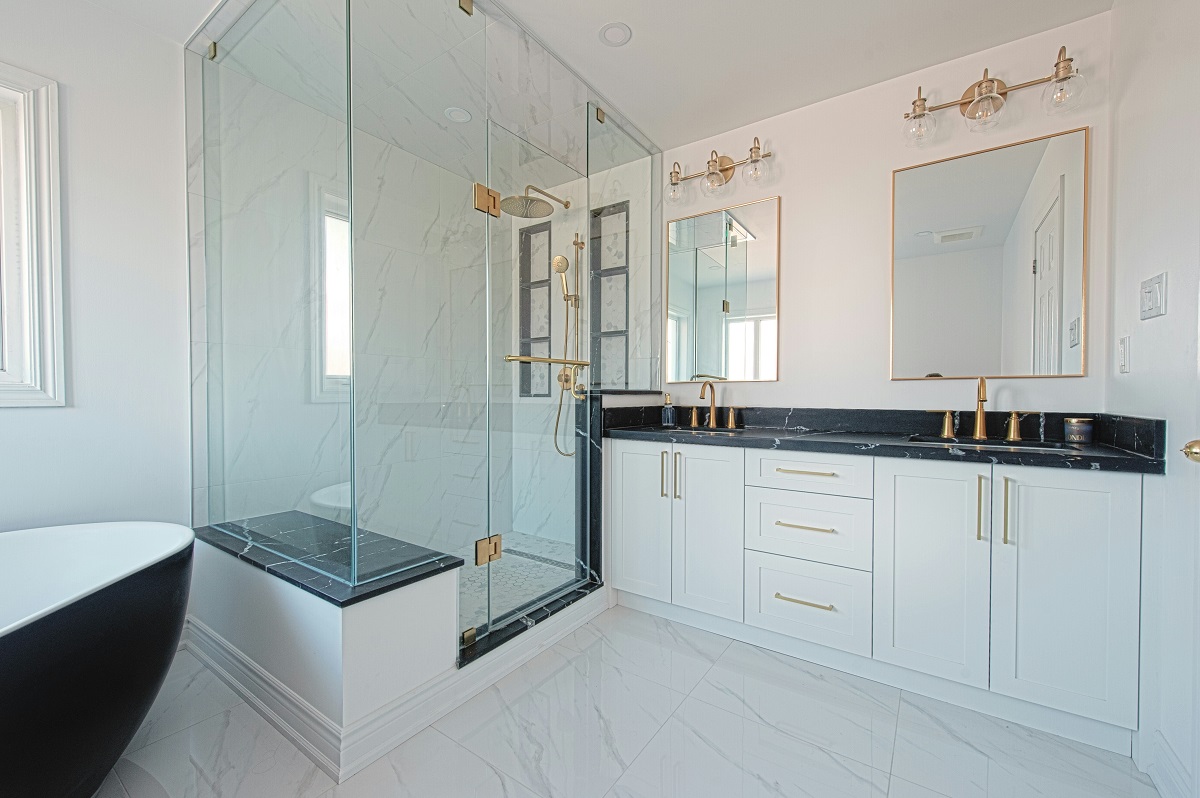
Staying on schedule is less about hustle and more about preparation. The homeowners who finish on time are almost always the ones who did the slow, boring work of deciding everything up front. Bathroom remodeling rewards decisiveness in a way that very few home projects do, because every trade downstream is waiting on the choices you made weeks or months ago. A tile that ships late pushes the grout, which pushes the sealer, which pushes the plumber’s trim-out, which pushes your final inspection. One small decision gap at the start can ripple into a two-week delay at the end.
- Finalize every selection before demolition day, down to the drawer pulls, hinge finish, and grout color
- Order long lead items first — vanities, shower glass, custom mirrors, specialty tile — and store them on site or in a dry garage
- Confirm permit status in writing before the crew is scheduled, and ask for the permit number so you can verify it yourself
- Build a two-week buffer into your move-back-in date, especially if you have only one bathroom in the house
- Keep a single point of contact with your contractor to avoid mixed messages between spouses, designers, and trades
- Resist the urge to add scope once walls are open, even when it feels like the perfect time to “just also” replace the linen closet
- Pay deposits and progress draws on time so material orders are never held up on your end
A short daily check-in with your project manager, even a five minute text thread, catches small issues before they become schedule-wrecking problems. Ask what got done today, what is planned for tomorrow, and whether anything is waiting on a decision from you. Momentum matters in construction, and the projects that stall are usually the ones where a decision sat unanswered for three days. If you are going out of town during the remodel, give your contractor pre-approved authority on a short list of small decisions so work does not freeze while you are unreachable.
Signs Your Project Is Falling Behind
Watch for these early warnings that the schedule is slipping, and take them seriously the first time you notice them rather than the third:
- Trades not showing up on consecutive scheduled days, with vague explanations about another job running long
- Materials arriving damaged with no replacement ordered within 48 hours
- Inspection dates being pushed without explanation, or no inspection ever being scheduled at all
- Change orders piling up without updated completion dates attached to each one
- Your contractor becoming harder to reach, with texts going unanswered overnight and calls going to voicemail
- Dumpsters, portable toilets, or tool storage sitting untouched on your property for days at a time
- Subcontractors asking you questions the general contractor should already have answered
Catching slippage in week two is fixable with a frank conversation, a revised schedule, and maybe a small change order. Catching it in week six usually is not, because by then the trades have been rebooked onto other jobs and the calendar simply will not bend back. When answering how long does a bathroom remodel take for your specific project, the honest answer always depends on how quickly you and your contractor respond to the first signs of trouble.
The Bottom Line
A bathroom renovation is a deceptively complex project packed into a small footprint, and the timeline reflects that complexity. From the first inspiration photo to the moment you hang a fresh towel on a new bar, you are looking at roughly ten months of total journey, with somewhere between three weeks and three months of active construction depending on scope. The planning stretch is longer than most people expect, and the construction stretch is punctuated by inspection waits and curing periods that cannot be rushed.
The homeowners who come out of the process happy are not the ones who found the fastest crew or the cheapest materials. They are the ones who understood the sequence, made decisions early, and gave each phase the time it genuinely needed. Trying to compress a tile installation or skip a cure period almost always backfires in the form of callbacks, cracked grout, or failed inspections.
Treat the timeline as a tool, not an obstacle. When you know what each phase requires and where delays typically appear, you can plan your life around the disruption, communicate clearly with your contractor, and make the final reveal feel worth every day of the wait.

